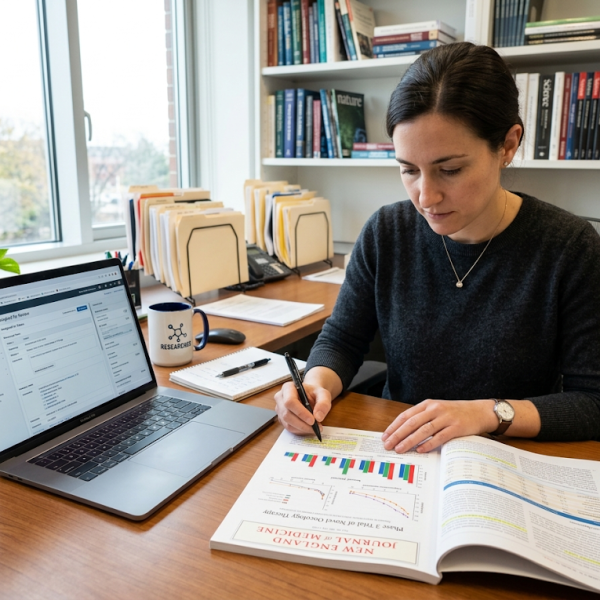
Caring for a loved one at home is rewarding, but it can also be overwhelming when medical questions pop up at 2 a.m. and a doctor is not immediately available. That is where well-written medical guide books for caregivers can make a life-changing difference. The best ones translate complex medical jargon into plain language, walk you through real-world situations, and help you make safer, more confident decisions without drowning you in filler or fear.
Why Caregivers Need Reliable Medical Guide Books
Even the most attentive nurses, doctors, and home health aides cannot be present all the time. Family caregivers are often the ones noticing new symptoms, managing medication schedules, and deciding whether a problem can wait until morning or requires urgent care. Search engines are crowded with contradictory advice, and social media is full of unverified tips. A carefully vetted, evidence-based guide book gives you a trustworthy baseline so you can respond calmly instead of guessing.
This is especially important when caring for someone with multiple chronic conditions, dementia, or a serious disability. Good books are structured so that you can quickly find the right section, understand what is happening in the body, learn what you can safely do at home, and identify red-flag signs that mean you should call a doctor or emergency services.
To get even more value from your reading, you can combine print resources with digital tools, including portuguese translation services for multilingual families and ai platforms like chatgpt for quick, general explanations of medical terms you encounter.
1. The Merck Manual of Medical Information
The Merck Manual is a classic for a reason: it covers an enormous range of conditions and symptoms but is written in accessible language for non-professionals. The home edition is especially helpful for caregivers who need a broad, reliable reference.
Why it stands out:
- Structured by body system and condition type, so you can navigate quickly.
- Explains not only what a disease is but how it is diagnosed and treated.
- Clarifies when self-care is appropriate and when urgent medical attention is necessary.
This is a powerhouse choice if you want one comprehensive volume on your shelf. It is dense, but the writing is direct and focused on what you actually need to know as a caregiver, without excessive storytelling or technical tangents.
2. Mayo Clinic Family Health Book
The Mayo Clinic Family Health Book functions like an at-home triage guide with a calm, practical tone. It helps you interpret symptoms, understand likely causes, and decide on a safe next step.
Key strengths:
- Clear symptom checklists that tell you what to monitor and when to seek care.
- Thorough coverage of preventive care and healthy lifestyle guidance for all ages.
- Evidence-based explanations backed by a trusted medical institution.
Caregivers appreciate its visual organization, diagrams, and highlighted emergency signs. It is especially useful if you are supporting multiple family members, from children to older adults, and want a single, reliable family reference.
3. The 36-Hour Day
For caregivers of people with Alzheimer’s disease or other dementias, The 36-Hour Day is one of the most frequently recommended resources. Unlike broad medical encyclopedias, it focuses deeply on a single group of conditions and the daily realities of caring through all stages.
What makes it essential:
- Practical strategies for managing memory loss, confusion, and behavioral changes.
- Communication tips for preserving dignity and reducing conflict.
- Guidance on safety, home adaptations, legal planning, and end-of-life decisions.
It addresses the emotional burden on caregivers without drifting into vague motivational talk. Each chapter gives specific, actionable steps and realistic expectations, making it one of the clearest guides for dementia care.
4. The American Red Cross First Aid and CPR/AED Guide
Every caregiver should have a straightforward, up-to-date first aid and CPR reference. The American Red Cross guide is concise and designed for urgent situations where you do not have time to sift through pages of theory.
Its main advantages:
- Step-by-step instructions for responding to choking, bleeding, burns, and fractures.
- Clear diagrams that show hand placement and body positions for CPR and recovery.
- Aligned with current safety standards and training courses.
Combine the book with a certified first aid and CPR class if possible. The book then becomes a powerful refresher you can keep in your go-bag, car, or next to your main medical supplies.
The medical guides caregivers actually use are the ones that assume no training and simply explain what to do next. Support materials for newly arrived families work on the same principle and are surprisingly hard to write well. Agencies running refugee resettlement have learned to produce plain-language guides to housing, schooling and healthcare, because the alternative is a caseworker answering the same question a hundred times.
Caregivers arranging treatment for a relative overseas take on a set of financial tasks nobody prepares them for. Deposits, transfers and instalments all have to be settled from another country. Handling international payments under time pressure is a common and stressful part of that role.
5. PDR Guide to Prescription Drugs (Or Similar Drug Reference)
If you manage a complicated medication schedule, a dedicated drug reference is invaluable. The PDR (Physicians’ Desk Reference) or consumer-oriented equivalents provide detailed but structured information on prescriptions and many over-the-counter medicines.
What you can use it for:
- Understanding what each medication does and why it was prescribed.
- Reviewing common side effects and serious warning signs.
- Checking for possible interactions your care team may need to monitor closely.
This type of guide will not replace pharmacist advice, but it helps you prepare better questions, track patterns you notice, and avoid dangerous guesswork with dosing or combinations.
6. Caregiver-Specific Handbooks and Workbooks
Alongside big medical encyclopedias, consider more focused caregiver handbooks attached to specific diseases or caregiving roles, such as stroke recovery guides, home hospice handbooks, or post-surgery care manuals. These often provide:
- Checklists for daily tasks and monitoring.
- Sample care plans and medication tracking templates.
- Realistic advice on communicating with the healthcare team.
Look for books from reputable medical centers, professional associations, or well-reviewed clinicians. These typically avoid filler content and give you practical tools for organizing information and reducing mistakes at home.
Making Medical Guides Work for You
Owning strong medical guide books is only the first step. To get real value:
- Bookmark the conditions and topics most relevant to your loved one.
- Use sticky notes or tabs to mark emergency instructions and medication details.
- Keep a notebook where you summarize key points and write down follow-up questions for the doctor.
- Review relevant sections before major appointments so you can communicate clearly and take better notes.
If your family communicates in more than one language, consider pairing your reading with portuguese translation services so everyone can understand the care plan accurately and participate in decisions.
Conclusion
When you are responsible for someone else’s health and comfort, you need more than scattered online articles and well-meaning anecdotes. Thoughtfully chosen medical guide books give you a stable foundation of knowledge, from everyday symptom checks to complex chronic care. Use them to prepare, not to panic: read ahead when things are calm, mark the most relevant pages, and keep your go-to guides within easy reach.
Combined with regular professional medical advice, practical training in first aid, and clear communication among family members, these resources can reduce stress, avoid preventable emergencies, and help you care more safely and confidently at home.